The Wall of Yarn
I really love walking into a yarn shop. Each one is unique and there are always treasures to find, but one of my favorite things to see in a yarn shop is a wall of yarn.
I’m talking about full (or almost full) floor to ceiling shelving, stuffed full of yarn in all kinds of colors and weights. It’s a glorious sight, full of color and potential. And whether that yarn wall is yards long or only a few linear feet, the tidily stacked skeins and balls never fail to make me smile.
It is so easy to forget that all those skeins of wool and alpaca did not spring into existence fully formed in neat little packages, ready to be crafted into clever creations. They did not grow on yarn trees, nor were they twisted off the fiber vine.
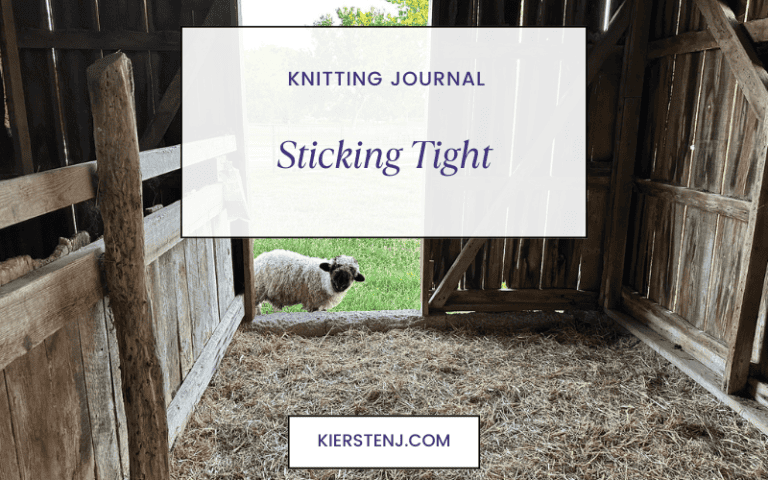
Every single skein on those lovely yarn walls started on someone’s animal, and I’ve never appreciated that more than I have learned to this week.

More than that, I am learning to appreciate what goes into caring for the creatures that make the yarn walls possible, along with what is made from them.
Teaching and writing the Beast to Blanket curriculum has been such an enriching experience. I have loved helping people explore how we use and alter fiber from the time it leaves the animal to when we achieve a finished object. This past week has deepened that exploration even further as we’ve taken on the responsibility of personally caring for some of the animals that provide us with the fiber.
And the truth is, you can do your research, ask experienced people lots of questions, and you may still find yourself completely surprised by both the highs and the lows of caring for sheep. It’s fun, it’s hard, and it’s messy.
Every individual skein on those yarn walls carries a story of an animal and the people who care for them daily.
I love the Pinterest-worthy stories and videos of the darling sheep frolicking about. I watch them, record them, and share them myself! Who doesn’t love a bouncy wee sheep?
But this week also taught me, through our own experiences and through reading those of others in the shepherding groups I now follow, that caring for these animals also necessarily involves stories of heartbreak and loss. Predators, illnesses, accidents, and other calamities happen. And as much as we can rationally understand the realities of caring for livestock, our hearts get involved. We care for them, yes, but we care about them, too.
I’ll look at those beautiful yarn walls a bit differently now. I’ll still adore the stunning colors and cheerful stacked abundance of fiber. I hope I’ll intentionally think about the people and animals whose stories are spun into the skeins. I want to remember the achingly cold winter nights, the sweltering summer days, the mud, the flies, the shearings, the moments of joy, and the heartache the sheep caretakers endure.

Isn’t it fascinating how Fiber Arts are so rich with opportunities for reflection? Practicing them, teaching them, or simply appreciating them can be full of so much more than absorbing color, shape and texture. There are stories here. There is an invitation to gratitude. There is a call to carefulness amidst our delight in the materials we get to use.
Can you imagine the wealth of stories contained in your own yarn stash? How about the project you’re working on now?
And just think of the story your finished piece could tell! If it could speak of its journey, from animal and care giver to shearer, to processor, to shop owner, to knitter, to recipient, what history would it have to share?
Does that change how you see your current project? Or a favorite knitted item in your closet?
Somehow, they all seem more precious to me today.
Greg’s Got Questions:
Thank you to those of you who participated in the poll last week!
LAST WEEK’S QUESTION:
What will we do with the wool from the newly acquired, incredibly cute Babydoll sheep? They do provide more value to our business than simply being adorable, don’t they? And how much wool should we expect from these tiny little micro wool factories?
We will shear the Babydoll sheep once a year in the spring to harvest their wool and to keep them healthy. If sheep are not sheared, they become burdened with too much wool. This can cause fatal heat stress, wool blindness, infestation, and the inability to move freely.
Once they’re sheared, we’ll clean and card their wool (estimated about four to six pounds per year), spin it, and use it or sell it!
While their wool fibers are only two to three inches long (relatively short for spinning), they are in the same softness range as cashmere. Many people find their wool comfortable enough to wear next to their skin. The fibers are ideal for blending, so I anticipate experimenting with blending Babydoll wool with wool from our wee Merino flock.
One other interesting note about Babydoll wool is that while it works well for needle felting, it’s not particularly good for wet felting. If it doesn’t felt well, it may not shrink much when washed. I’m eager to do some experimenting along those lines, too, as that may be a sort of naturally occurring “superwash” yarn.
Greg’s Questions for This Week:
Here are the questions up for the vote this week. I’ll answer the winner in the next newsletter. (As a matter of procedure, the poll function takes you to another page to submit your vote, so if that happens to you, you’re on the right track!)
Question 1: Of all the walls of yarn you’ve seen in your decades of frequenting local yarn shops, which one is the most memorable?
Question 2: What has surprised you most about becoming stewards of our wee herd of Baby Dolls we’re now caring for?
Question 3: You’ve described how being personally involved with our sheep has changed your view of yarn and knitted items. I’m curious if this change in perspective has also affected how you view other things we consume. How have you seen this change in mindset impacted other areas of your life (if it has)?
Happy knitting,
Kiersten J